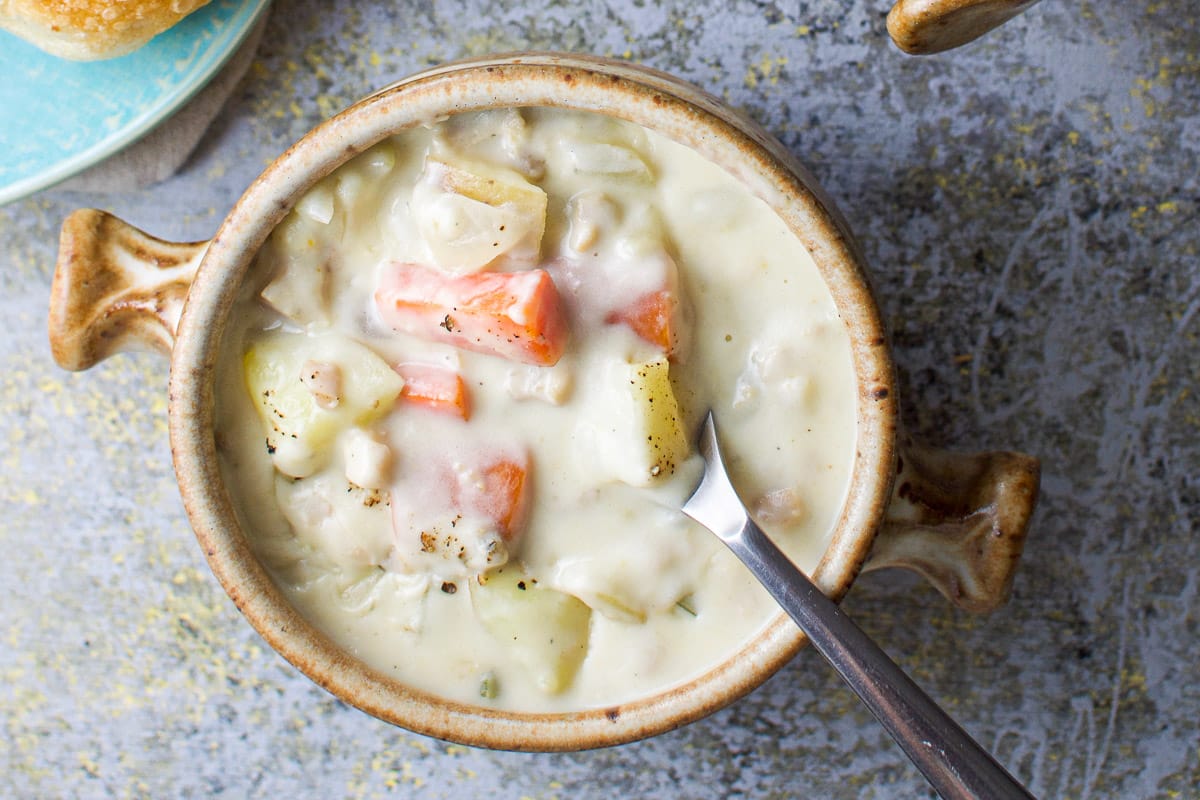
Embrace Coastal Comfort: Your Guide to Easy New England Clam Chowder
Imagine the brisk salt air on your face, the distant cry of seagulls, and the promise of a hearty, warming meal after a day exploring the New England coast. That quintessential experience, embodied by a steaming bowl of New England Clam Chowder, is more accessible than you might think. Far from being a complicated restaurant exclusive, this creamy, briny delight is surprisingly easy to recreate in your own kitchen, even when starting with the convenience of canned clams. It's the ultimate comfort food, perfect for chilly evenings, rainy afternoons, or a special weekend supper, bringing a taste of seaside charm right to your table.
The beauty of a truly authentic New England clam chowder lies in its elegant simplicity. It’s not heavy or gloppy; instead, it boasts a delicate creaminess, tender potatoes, and that unmistakable, invigorating flavor of the sea. Forget the notion that gourmet cooking requires exotic ingredients or endless hours. This beloved classic proves that with a few pantry staples and a straightforward process, you can achieve a restaurant-worthy dish that will have everyone asking for seconds.
A Journey Through Time: The Enduring Legacy of New England Clam Chowder
The origins of New England clam chowder trace back to the resourceful early settlers of the region. Faced with abundant seafood and limited provisions, they concocted a simple, sustaining meal from salt pork, local clams, and their cooking broth, often thickened with crushed ship biscuits. While the biscuits have long since been replaced by potatoes and cream, the core essence of the dish – its humble ingredients and profound comfort – remains remarkably unchanged. This historical connection is part of its charm; every spoonful carries a whisper of maritime heritage.
Despite its humble beginnings, New England clam chowder has ascended to iconic status, transcending seasons and occasions. While it perfectly complements a summer day by the ocean, its rich, warming qualities make it an ideal antidote to the biting chill of winter. Many New Englanders recall standing in line at local fairs, on cool, brisk days, eager for a hot bowl of chowder, perhaps served in a crusty sourdough bread bowl. It’s not just a meal; it's a culinary hug, a symbol of warmth and community. It’s simple enough for a weeknight dinner yet elegant enough to kick off a festive gathering, proving its versatility as an ultimate comfort food for any season.
The Heart of the Bowl: Essential Ingredients for Authentic Flavor
Crafting a truly exceptional New England clam chowder begins with understanding the role each core ingredient plays. It's a symphony of flavors, each contributing to the beloved harmony.
- Bacon: The Foundation of Flavor
Rendered bacon isn't just a garnish; it's the aromatic backbone of the chowder. The crispy bits add a savory crunch, but more importantly, the rendered fat provides the essential base for sautéing your aromatics, infusing the entire dish with a subtle, smoky depth. For a leaner option, salt pork can be used, adhering closer to traditional recipes, but bacon is a readily available and delicious alternative. - Aromatics: The Sweet & Savory Base
Onions, typically white or yellow, are non-negotiable. Cooked until softened and translucent in the bacon fat, they release their sweetness, complementing the brininess of the clams. While traditionally simple, many modern recipes incorporate finely diced celery for an added layer of texture and subtle herbaceousness, or a touch of minced garlic for deeper flavor complexity. - Potatoes: The Unsung Thickener
The choice of potato is critical for both texture and natural thickening. Russet or Yukon Gold potatoes are ideal because of their starch content. As they cook, they gently release starches into the broth, contributing to the chowder's body without needing a heavy flour-based roux. A traditional New England chowder is characteristically creamy but not overly thick or "gloppy." A pro tip for achieving your desired consistency without flour is to simply mash a portion of the cooked potatoes with a fork directly in the pot; this technique naturally gives the soup more body while maintaining its authentic texture. - Clams: The Briny Star
While fresh clams offer an undeniable appeal, frozen chopped clam meat or good quality canned clams are perfectly acceptable – and often preferred for convenience – when making homemade chowder. They provide that essential briny, oceanic flavor without the hassle of shucking. When using canned clams, remember to reserve their juice, but understand that this often isn't enough. Supplement with additional bottled clam juice to ensure a rich, clam-forward base. The key to tender clams is quick cooking; they should only simmer briefly in the broth and cream. Overcooking will result in tough, chewy clams, detracting from the chowder's delicate texture. - Cream & Liquid Base: The Velvety Finish
Heavy cream is what gives New England clam chowder its signature luxurious, velvety texture. Combined with clam broth (from the canned clams and supplemental bottled juice) and sometimes water or low-sodium chicken broth, it creates a base that is rich but surprisingly light. The goal is a chowder that is creamy, not thick or heavy, allowing the delicate flavors of the clams and potatoes to shine.
Crafting Your Bowl: A Step-by-Step Approach
Making New England clam chowder at home is a rewarding process that follows a logical sequence. Here’s a streamlined approach:
- Render the Bacon: Start by cooking diced bacon in a heavy-bottomed pot or Dutch oven over medium heat until crispy. Remove the bacon bits with a slotted spoon and set aside, leaving the flavorful rendered fat in the pot.
- Sauté the Aromatics: Add diced onions (and celery, if using) to the bacon fat. Cook until softened and translucent, usually 5-7 minutes. If adding garlic, stir it in for the last minute until fragrant.
- Build the Broth: Pour in the clam juice (from canned clams and supplemental bottles), along with any additional water or chicken broth. Bring to a simmer.
- Cook the Potatoes: Add the peeled and diced potatoes to the simmering liquid. Cook until fork-tender, about 10-15 minutes, depending on the size of your dice. This is where the potatoes begin to naturally thicken the chowder. Remember, if you desire a thicker consistency without flour, gently mash some of the potatoes against the side of the pot with a fork.
- Introduce Clams and Cream: Reduce the heat to low. Stir in the drained chopped clams and the heavy cream. Gently warm through for just 2-3 minutes; do not boil the cream, and avoid overcooking the clams.
- Season and Serve: Taste and adjust seasonings with salt and freshly ground black pepper. Some cooks also like to add a pinch of dried thyme or a bay leaf during the potato cooking phase for subtle aromatic notes.
Serve your steaming bowls of Authentic New England Clam Chowder garnished with the reserved crispy bacon bits and a generous scattering of oyster crackers. A crusty piece of bread or a hollowed-out sourdough bread bowl makes for an even more immersive, restaurant-style experience. This approach ensures your chowder is creamy, briny, and perfectly balanced, embodying the true spirit of New England.
Beyond the Bowl: Tips for Perfection and Customization
While the basic recipe for New England clam chowder is simple, a few extra tips can elevate your homemade version:
- Defrost Frozen Clams Properly: If using frozen chopped clams, remember to defrost them overnight in the refrigerator to maintain their texture and prevent them from seizing up when added to the hot liquid.
- Mind the Salt: Clam juice and bacon are inherently salty, so taste your chowder before adding extra salt. You can always add more, but you can't take it away!
- Make it Your Own: While purists might stick to the traditional, feel free to experiment with a pinch of thyme, a bay leaf, or even a dash of hot sauce if you enjoy a subtle kick. Some families even add a touch of corn, though this deviates from the classic profile.
- Healthier Home Cooking: Making chowder at home allows you to control the ingredients, reducing preservatives and managing salt content. It's often a healthier and significantly more cost-effective option than store-bought or restaurant versions, especially when feeding a crowd.
- Storage and Reheating: Leftover chowder stores well in the refrigerator for 2-3 days. Reheat gently on the stovetop over low heat, stirring frequently, to prevent the cream from separating. You may need to add a splash of milk or cream to restore its original consistency.
Conclusion: The Ultimate Comfort, Made Easy
From the bustling docks of coastal towns to the quiet warmth of your own kitchen, New England clam chowder remains a timeless culinary treasure. Its rich history, simple ingredients, and straightforward preparation prove that the most satisfying meals are often the least complicated. By following these steps and embracing the core components, you can easily transform humble canned clams into a creamy, briny, and utterly comforting bowl of perfection. So, gather your ingredients, set aside an hour, and prepare to bring the authentic taste of New England home – it's a culinary journey well worth taking.
