The Quintessential New England Experience: What Defines Authentic Clam Chowder?
Imagine the invigorating scent of the ocean air, the distant cry of seagulls, and the warmth of a steaming bowl nestled in your hands after a bracing seaside stroll. This isn't just a daydream; it's the quintessential experience of indulging in an authentic
New England clam chowder. More than just a soup, it's a culinary embrace that encapsulates the very spirit of the region.
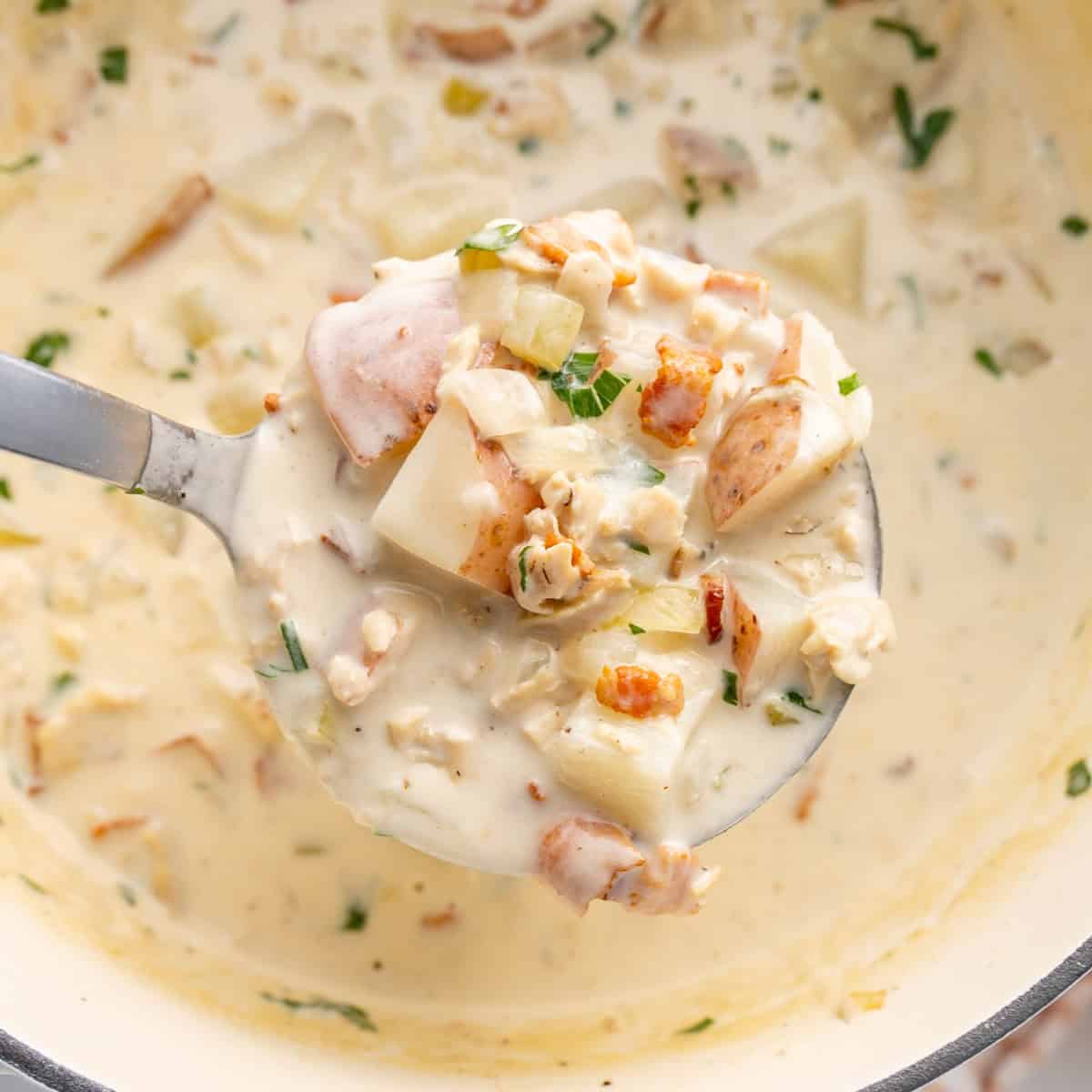
What truly defines this iconic dish? It's a delicate balance of simplicity and profound flavor. At its heart, a true New England clam chowder is renowned for its luscious creaminess, yet it should never feel heavy or cloying. Instead, it offers a light, almost ethereal texture that allows the star ingredient – the briny, tender clams – to shine through. Complementing this, you'll find impeccably cooked, delicate potatoes, typically russets, which gently release their starch to contribute to the soup's inherent body without needing excessive thickeners. Sweet, aromatic onions are fundamental, often sautéed with savory bacon, adding a crucial layer of depth and smokiness that elevates every spoonful. The broth itself, infused with clam juice and often a touch of chicken broth, forms a rich, flavorful foundation, all culminating in that signature luxurious finish from heavy cream. It's a symphony of tastes and textures that stands apart from its tomato-based Manhattan cousin or the clear-broth Rhode Island variant, making it uniquely, deliciously New England. And, of course, no bowl is complete without a scattering of crisp oyster crackers!
From Settler's Pot to Modern Table: A Brief History of New England Clam Chowder
The journey of
New England clam chowder is as rich and enduring as its flavor profile, tracing its origins back to the very earliest European settlers in the region. Faced with abundant seafood and the need for hearty, sustaining meals, these pioneers crafted a rudimentary version of the chowder using readily available ingredients. Their original recipe was quite different from what we know today, often consisting of salt pork, fresh clams, and the briny broth from cooking the shellfish, thickened simply with crushed ship biscuits.
Remarkably, the core concept of this comforting dish has persevered through centuries, evolving with changing tastes and ingredient availability. While ship biscuits are no longer a common thickener, and fresh cream has replaced simpler broths, the essence of the chowder—its reliance on clams, potatoes, and a creamy base—remains largely unchanged. This historical continuity speaks to its power as a foundational comfort food.
This rich history also highlights its incredible versatility. While the image of a steaming bowl might evoke summer days spent by the docks, basking in the salt air,
New England clam chowder is far from a seasonal dish. It’s equally cherished on blustery autumn evenings, rainy spring afternoons, and especially during the biting cold of winter. Its ease of preparation makes it suitable for a weeknight dinner, yet its comforting elegance allows it to serve as a perfect preamble to a weekend supper or even a festive gathering. Many New Englanders recall growing up with local chowder vendors, like "Chowderheads" at regional fairs, serving up piping hot bowls, often in sourdough bread bowls, solidifying its place as a beloved regional tradition and even a fantastic Superbowl food idea for gathering friends.
Crafting Creamy, Briny Perfection: Key Ingredients and the Cooking Process
Creating an authentic bowl of
New England clam chowder at home is a rewarding experience, surprisingly straightforward, and certainly healthier and more economical than frequent restaurant visits. The beauty lies in simple, quality ingredients coming together in a harmonious blend.
Let's delve into the core components:
* **The Clams:** For many, fresh clams are the ideal, offering unparalleled flavor. However, high-quality frozen chopped clam meat is an excellent, widely available alternative, providing that fresh, briny taste without the hassle of shucking. Canned clams are also a perfectly acceptable and convenient option. Crucially, regardless of your choice, clams cook quickly; overcooking them can lead to a chewy, rubbery texture. A brief simmer at the end is all they need. If using frozen, remember to defrost them overnight in the refrigerator.
* **Bacon:** This isn't just for flavor; rendered bacon fat provides the perfect medium for sautéing your aromatics, imparting a foundational smoky richness that is indispensable.
* **Aromatics:** White or yellow onions are standard, cooked until translucent and sweet. While traditionalists might stop there, some cooks include finely diced celery for an extra layer of texture and savory depth, and a touch of minced garlic can add wonderful complexity.
* **Potatoes:** Russet potatoes are highly recommended because their starch releases into the broth, naturally contributing to the chowder's body. Yukon Gold potatoes are another excellent choice, offering a slightly creamier texture. Ensure they are cut into small, even pieces for consistent cooking.
* **Liquid Base:** Jarred clam juice is essential for intensifying the clam flavor. Often, the liquid from canned clams isn't sufficient, so supplemental clam juice is key. Some recipes also incorporate low-sodium chicken broth to build a more robust, savory base.
* **Dairy:** Heavy cream is the star here, giving the chowder its signature rich and luxurious mouthfeel. It's added right at the end to prevent it from scorching or separating.
* **Thickening (Optional/Natural):** Authentic New England chowder is typically creamy but relatively thin, not thick or "gloppy." If you prefer a heartier consistency, avoid adding flour initially. Instead, a clever trick is to simply mash some of the cooked potatoes against the side of the pot with a fork. This releases their starch and adds body naturally. However, if a more substantial thickness is desired, a roux made from butter and all-purpose flour cooked with the onions can be used at the beginning of the process.
The cooking process itself is often a delightful one-pot affair:
1. Begin by rendering diced bacon until crisp. Remove the bacon, leaving the rendered fat in the pot.
2. Sauté your onions (and celery/garlic, if using) in the bacon fat until softened and fragrant.
3. Add the clam broth, water, and potatoes. Bring to a simmer and cook until the potatoes are tender.
4. Finally, stir in your prepared clams and heavy cream. Simmer briefly, just long enough to heat through and meld the flavors, ensuring the clams remain tender. Season with salt and freshly ground black pepper to taste.
Achieving Your Ideal New England Clam Chowder: Tips for Success
Mastering your homemade
New England clam chowder means understanding how to tailor it to your personal preference while respecting its traditional characteristics. Here are some actionable tips:
* **Texture Control is Key:** As mentioned, true New England chowder is creamy but not overly thick. If you desire more body without relying on flour, the potato-mashing trick is your best friend. It provides a natural, rustic thickness. If you opt for a roux, ensure it's cooked thoroughly to avoid a raw flour taste.
* **Flavor Deepening:** Don't skimp on the clam juice. It's the backbone of that distinct briny flavor. Additionally, using quality bacon makes a significant difference in the overall savory profile.
* **Embrace Simple Ingredients:** The magic of this dish lies in its few, high-quality components. Focus on fresh-tasting clams (whether fresh, frozen, or canned), good heavy cream, and flavorful potatoes.
* **Customization for Your Table:** Making chowder at home allows you to control the salt content, avoiding the often excessive sodium found in store-bought or restaurant versions. You can also adjust the creaminess to your liking. Preparing a large batch is easy and economical, perfect for feeding a crowd without preservatives.
* **Serving Suggestions:** While oyster crackers are non-negotiable for many, consider serving your chowder with crusty fresh bread for dipping, or go all out and hollow out a sourdough bread bowl for a truly authentic presentation. It’s also surprisingly delicious as a light lunch or a hearty dinner.
Looking for a quick weeknight option? Our guide on
Easy New England Clam Chowder: From Canned Clams to Creamy Bowls offers fantastic shortcuts without compromising flavor. Whether it's a summer evening or a winter chill, understand why this dish is truly
New England Clam Chowder: The Ultimate Comfort Food for Any Season.
Ultimately, crafting your own
New England clam chowder is an invitation to bring a piece of seaside culinary heritage into your home. It’s a dish that warms the soul, satisfies the palate, and creates lasting memories around the table. So, gather your ingredients and embark on this delicious journey – your taste buds will thank you.